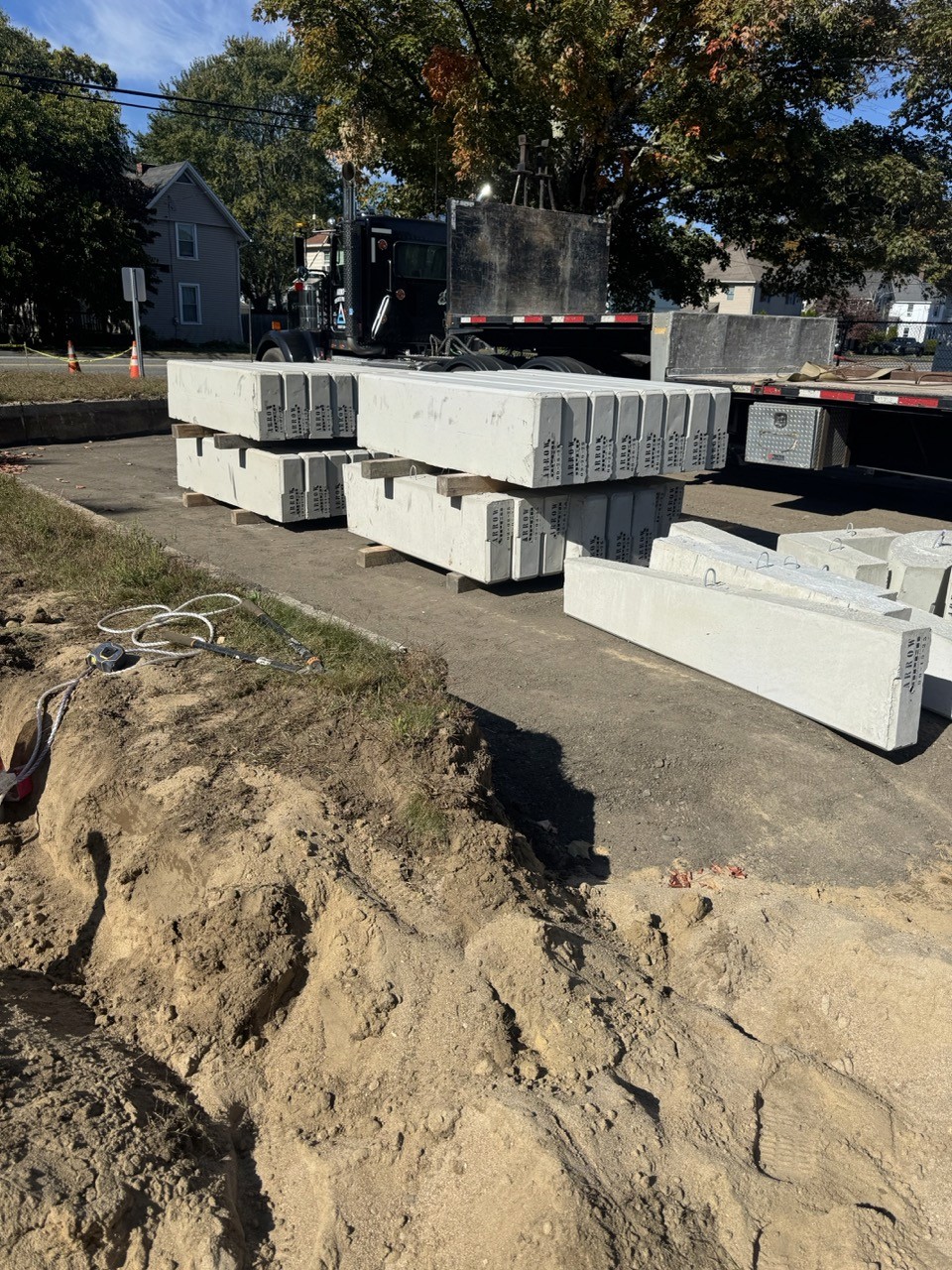
Height, load, drainage, and the look you want all decide which wall belongs on your property. A plain-language comparison.
Three systems, three jobs
Segmental block walls are precise, repeatable, and ideal for defined spaces like patios and terraced yards. Boulder walls handle bigger elevation changes and look natural on wooded or rural sites. Poured concrete goes in when engineering demands it.
What actually decides it
Wall height, and whether the design requires engineering
What sits above the wall: lawn, driveway, or a structure
Drainage, because water pressure is what topples walls
Site access for equipment and material delivery
Whatever the system, the parts nobody sees decide the outcome: a compacted footing, clean drainage stone, and geogrid where the height calls for it.
If you are weighing this on your own property in Hadley, Amherst, Northampton, or anywhere else across the Pioneer Valley, call A&M Construction Enterprises at (413) 374-5714. We will walk the site with you, tell you plainly what the ground is doing, and put an honest written scope together. We answer the phone and we will tell you when the work can wait as readily as when it cannot.
The drainage detail that decides everything
Behind every wall we build there is clean crushed stone, filter fabric, and a perforated pipe daylighted to somewhere sensible. Soil behind a wall holds water, water adds enormous pressure, and pressure is what pushes walls over. A wall built tight against native soil with no outlet is a wall on a countdown. The materials cost very little relative to the job; skipping them is what makes a wall fail in five years instead of standing for thirty.